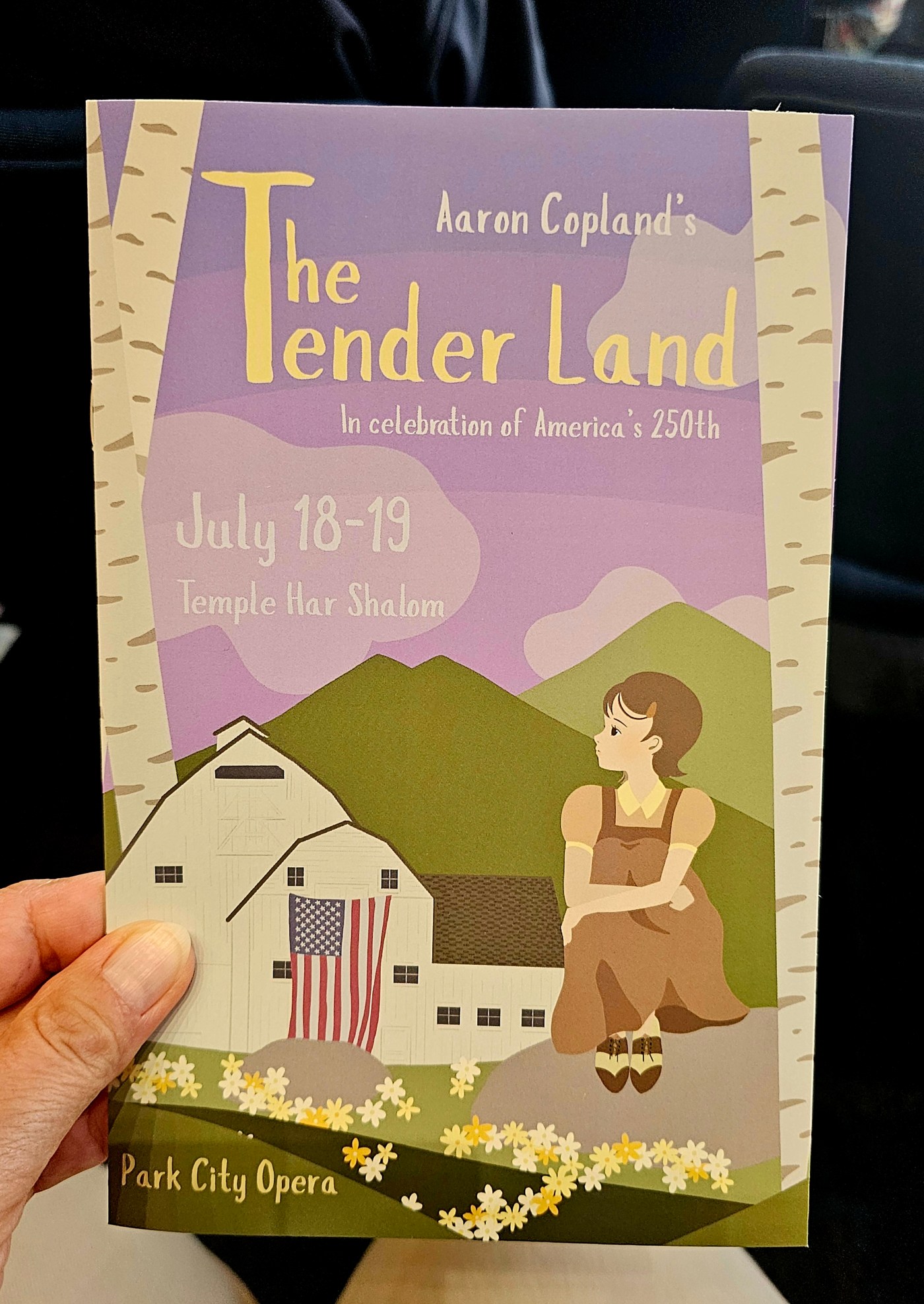
I first learned about Park City Opera in December of 2025 when they staged David Conte’s The Gift of the Magi at Clubhouse on South Temple. This summer, they honored America’s 250th birthday with a production of Aaron Copland’s The Tender Land at Park City’s Temple Har Shalom. I love Copland’s distinctly American sound, and I was eager to again experience Park City Opera’s creative work, so I jumped at the opportunity to attend. My friend Rayne, who shares my love of Copland’s compositions, attended with me. Rayne has an extensive musical theater background, but this was her first time attending an opera. She appreciated how Park City Opera made the experience intimate and accessible—from the venue to the hospitality—and thus, not overwhelming for a first-time opera-goer.
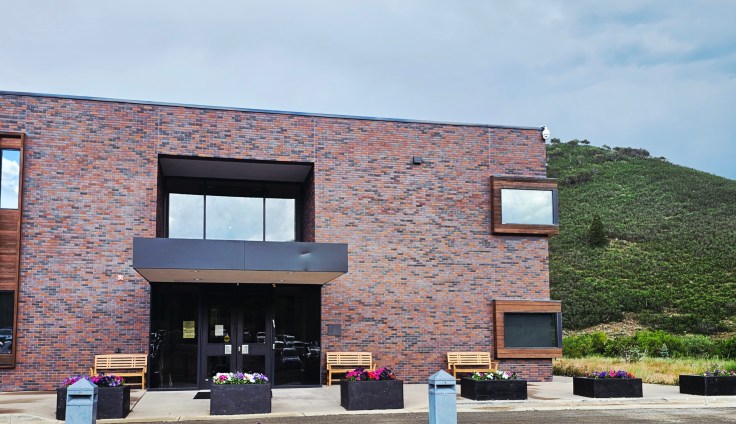
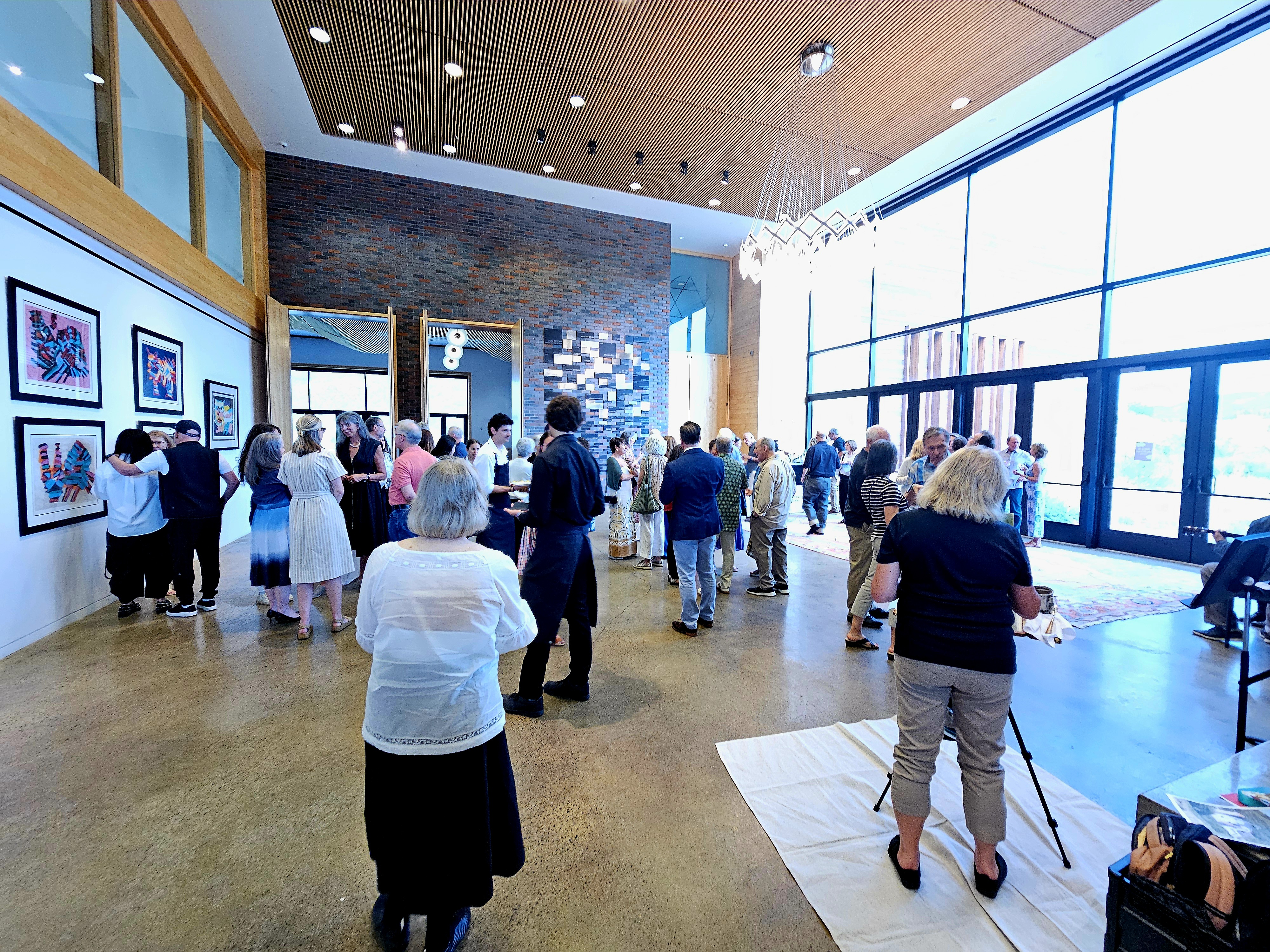
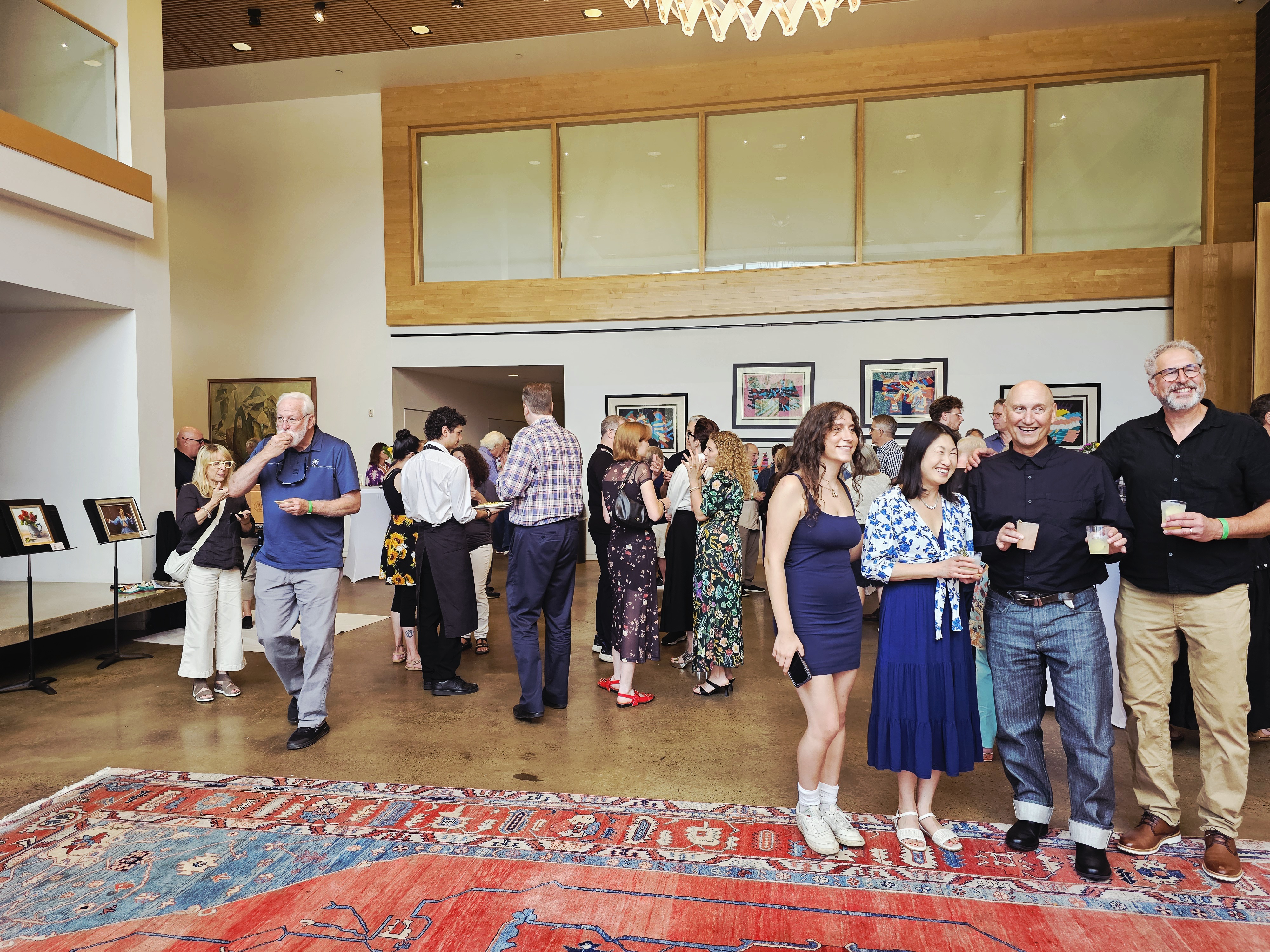
A distingushing feature of Park City Opera’s events is the company’s commitment to fostering community connection and artistic expression along with the opera itself. The opera becomes a focal point around which a variety of worthwhile interactions have space to coalesce. Park City Opera accomplished this on Saturday evening with an hour of pre-show activities, which resumed during intermission as well. All of the activities showcased local artists and vendors, and they reflected Americana in some way, making the evening thoroughly cohesive.
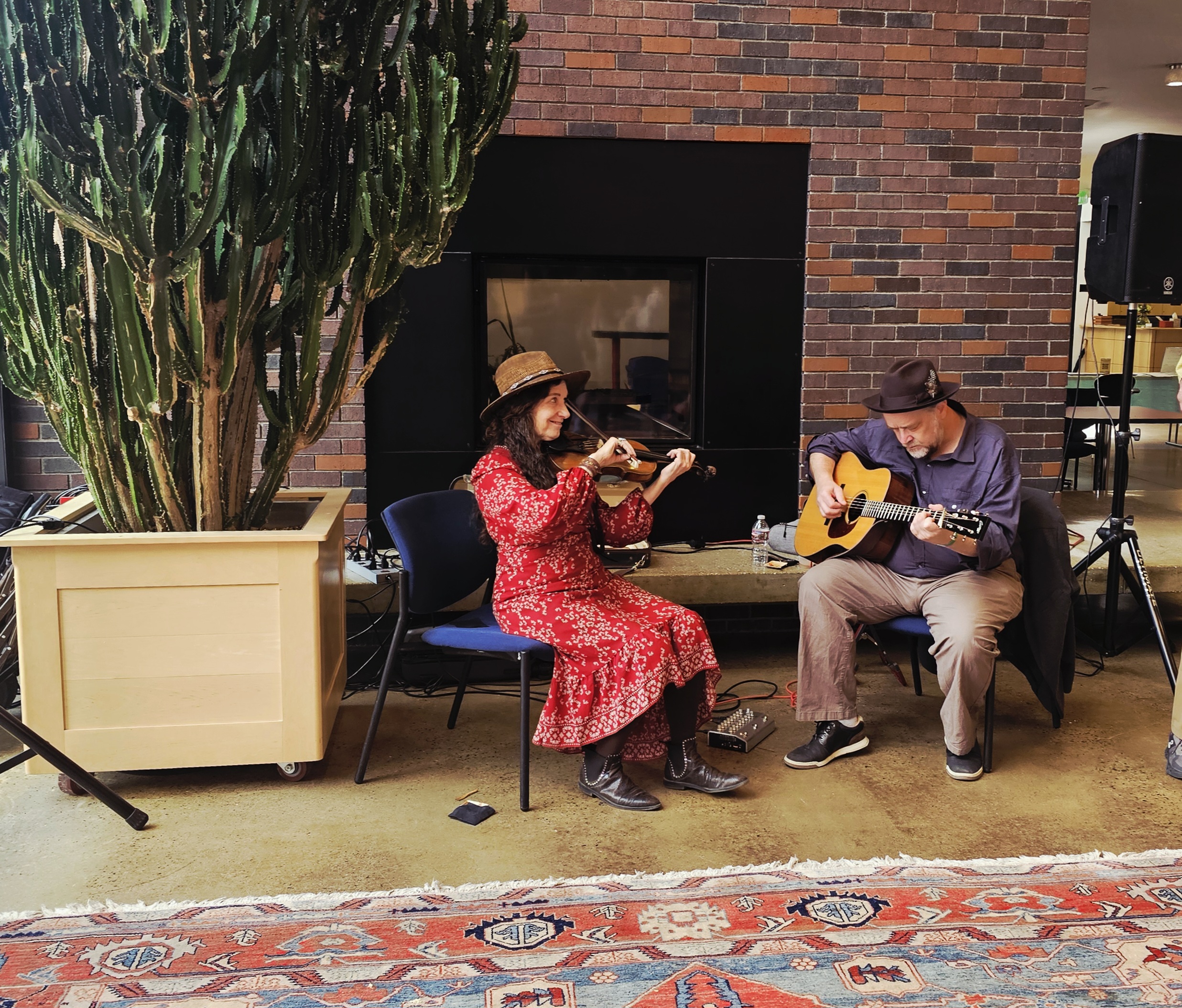
Kate MacLeod and Dylan Schorer set the tone by playing American folk music on the fiddle, guitar, and dulcimer. Celebrated James Beard Chef Galen Zamarra from Park City’s Le Depot Brasserie provided exceptional hors d’oeuvres that gave a nod to summertime classics—deviled eggs, cornbread with fruit salsa, strawberry shortcake, and melon caprese on skewers. The cornbread was a particular favorite! Top Shelf Utah kept specialty cocktails flowing, featuring spirits from local distilleries. Olga Hegner created plein-air paintings, capturing the breathtaking scenery surrounding Temple Har Shalom. Park City Opera co-founders Lisl Wangermann and Lena Goldstein graciously greeted patrons and ensured that everyone felt welcome. Each of these thoughtful and well-executed details contributed to a comfortable evening and enhanced our enjoyment of the main event.
Aaron Copland’s The Tender Land presents a narrative that on its surface seems quite simple, yet Horace Everett’s poetic libretto implies deeper interpretations. The Moss family resides on a Midwestern American farm during the Great Depression of the 1930s. It is spring—a season of harvest, high school graduation, and hope for the future. Laurie Moss (Rachel Kobernick) is a high school senior set to graduate. Her younger sister, Beth (Emily Hubert), dreams about her own future while their mother, Ma Moss (Laura Zahn), attends to domestic responsibilities. The local postman, Mr. Splinters (Sam Plumb), arrives with a package containing Laurie’s graduation dress. He also eagerly delivers gossip: two drifters, suspected of being criminals, have frightened the neighbor’s daughter. This news raises concern, but Ma Moss and Beth turn to prepare the house for Laurie’s graduation party.
Laurie returns home from school and reflects on how quickly she has grown from a child to a young woman, now equally optimistic and uncertain about her future. Her mother’s reprimands for arriving late ignite Laurie’s frustrations about the limitations of her small-town rural life. Itinerant workers Top (Joseph O’Shea) and Martin (David Silvano) enter the Moss family’s property seeking seasonal work, and they thrill Laurie with stories about life outside the small town. Though initially reluctant, Grandpa Moss (Erik Danielson) hires Top and Martin to help with the spring harvest.
Everyone gathers for Laurie’s graduation party, indulging in the festivity, yet a cloud of suspicion hangs over the affair. Might Top and Martin be the drifters threatening the young women of the town? Ma Moss raises this concern to Mr. Splinters, who then contacts the sheriff. Amid the panic, Grandpa Moss confronts the two men and demands that they leave by morning. Martin and Laurie steal a private moment under the cover of night. Martin’s stories of freedom captivate Laurie, stirring feelings of love and prompting an impulsive vow to elope at daybreak. Top, however, convinces Martin that they must leave before sunrise because a romantic entanglement would cause hardship for everyone. Daybreak comes, and Laurie realizes that Martin is gone. Her future, then, becomes solely hers to decide.
This ostensibly simple storyline navigates several poignant tensions at once: the security of home versus the desire for independent discovery, the stability of a settled life versus the untethered freedom of the drifter, and the comfort of the familiar versus a persistent suspicion of the outsider, where rumor overrides innocence. This opera fundamentally questions our place in the world. When we graduate into adulthood, is our destiny defined by the insular community that reared us or by the courage to seek where and with whom we truly belong?
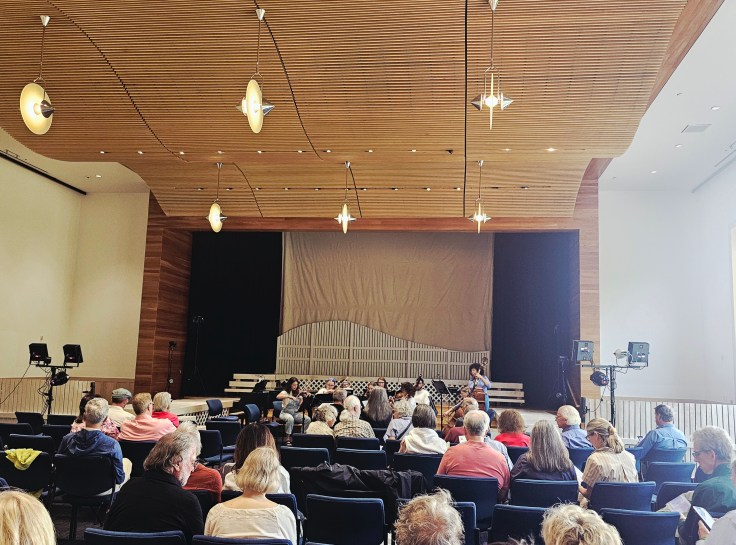
Park City Opera assembled an accomplished cast and orchestra of local and national talent to convey The Tender Land‘s full depth of meaning. Benjamin Beckman deftly led the ensemble in interpreting Copland’s score. Conductor and orchestra were perfectly in sync, yielding an impeccably clean performance. Their opening phrases beautifully evoked the sentiments associated with Copland’s music—simplicity, serenity, and expansive terrain. Later, they instinctively mirrored the increasing tension of the drama on stage.
The well-matched cast shared warm, rich vocal tones and crisp articulation that were immensely satisfying to hear. As the postman, Plumb created conversational recitative that flowed easily when relaying town gossip to Ma Moss. Zahn’s robust mezzo-soprano lent authority to Ma Moss’s concern for her family and their way of life. Silvano, as Martin, led the core cast in an affecting rendition of “The Promise of Living” at the end of Act I. At this pivotal moment, the group’s vocal chemistry gracefully framed the libretto’s poetry and the opera’s themes. Across Acts II and III, Silvano delivered stirring and impassioned performances of Martin’s aria, the love duet with Laurie, and Martin’s soliloquy—his tension-free high tenor shining in each case. Kobernick’s performance as Laurie was equally strong. Her soprano powerful and pristine, she delivered a compelling portrayal of the character that colored her initial aria with restless curiosity and her final sequence with decisive determination.
If you want to ease into experiencing and enjoying excellent opera, consider attending one of Park City Opera’s summer events. The company’s season culminates in a production of Charles Gounod’s Roméo et Juliette on August 21 and 23 at the Eccles Center in Park City. Click here for the full schedule and ticket information.
 The Good Life
Leave a comment