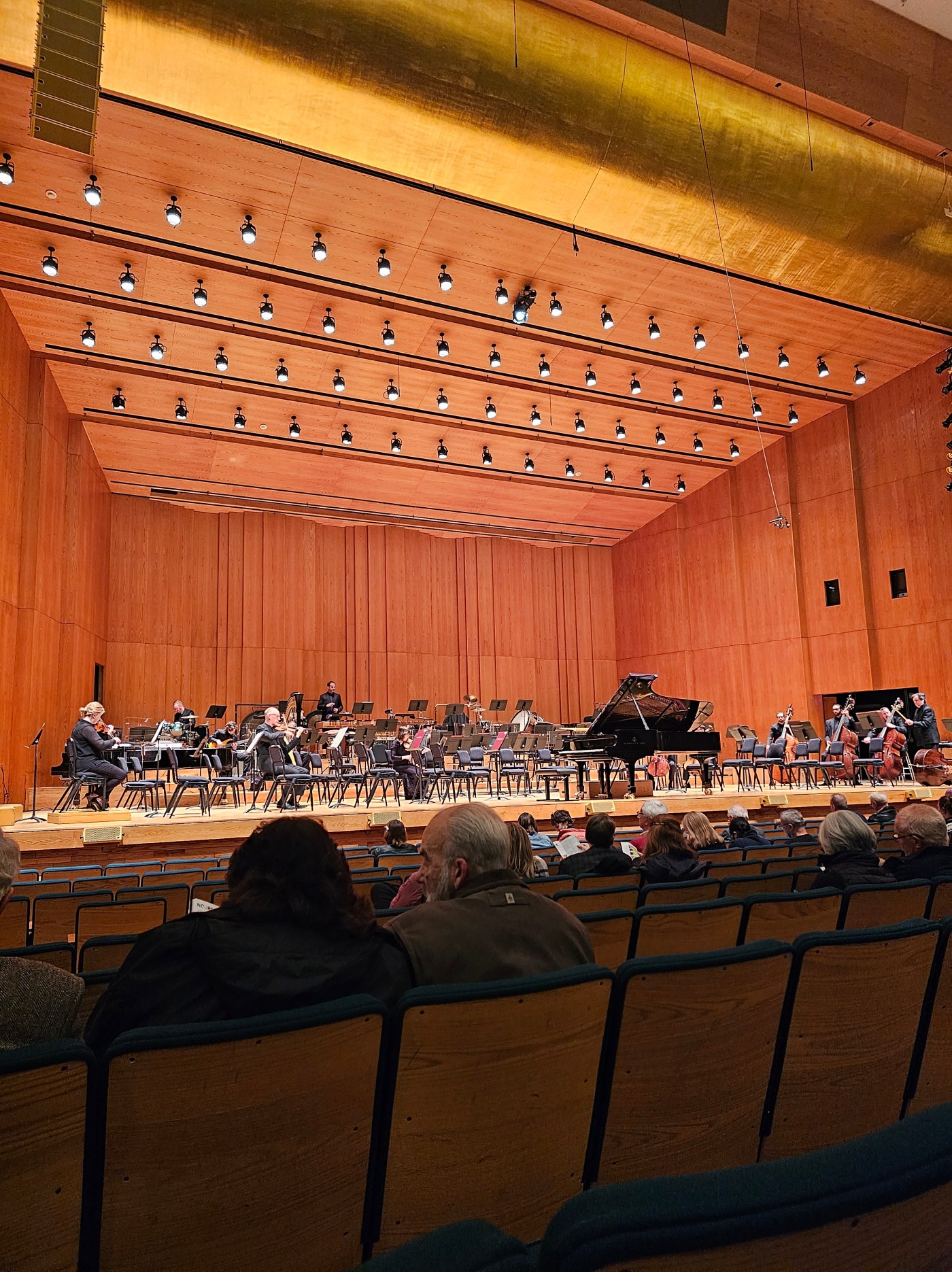
Last weekend, the Utah Symphony featured a program of primarily American compositions, a Bach keyboard concerto being the notable exception. Composer and conductor Teddy Abrams (Music Director of the Louisville Orchestra) and pianist Awadagin Pratt joined the Utah Symphony for this performance. I attended Friday night’s concert, and I had looked forward to it primarily because it included Aaron Copland’s Appalachian Spring. However, two newer works on the program also captured my attention: Rounds for Piano and String Orchestra by Jessie Montgomery and Overture to The Greatest by Teddy Abrams
The program began with Johann Sebastian Bach’s Keyboard Concerto in A Major No. 4. Originally written for harpsichord, Awadagin Pratt performed it on grand piano. The first and third allegro movements offer light, crisp, fast-moving passages that demand precise articulation for both the string players and keyboard soloist. The second movement, a larghetto, is slower, more deliberate, and contemplative. Pratt delivered a soft, subtle interpretation of the keyboard part that, at times, got a little lost under the brightness of the orchestra. While I enjoyed the sound of the piece overall, particularly as a warm-up to the rest of the evening’s program, I wanted more energy and expression from his performance.
In contrast, Jessie Montgomery’s 2019 composition Rounds for Piano and String Orchestra, commissioned specifically for Awadagin Pratt, gave the pianist the perfect medium to demonstrate his artistry. Montgomery took her inspiration for the piece from the imagery and themes in T.S. Eliot’s epic poem “Four Quartets.” The piece contains a variety of dynamic contrasts, at times sounding very fluid like water flowing or birds lifting in flight and circling, and at other times, it is punctuated by dramatic, deliberate chords. It is emotionally complex, suggesting melancholy, hope, and peace. The ending leaves room for Pratt to improvise, even experimenting with how the piano is played. He did this by standing to pluck the strings to create sound rather than using the keys, and he also leaned his elbow and forearm into several keys, creating a unique “chord.” I really liked the freshness, energy, and originality of this piece.
After intermission, Teddy Abrams conducted his own composition, Overture to The Greatest, which he explained is a tribute to Muhammed Ali. It is a loud, raucous piece that blends a variety of styles and time signatures and features the brass and percussion. It reminded me of a movie score, and I could easily envision it being the backdrop to a film about the famed boxer. I particularly enjoyed the upbeat jazz sections.
The program concluded with Aaron Copland’s Appalachian Spring, which the Utah Symphony performed in its entirety instead of the shorter suite that is more commonly offered. The piece begins with a simple, gentle melody that highlights woodwinds and strings, evoking images of a sunrise. The composition evolves into a more spirited melody that features strings and brass, and this section suggests the landscape of the American frontier as well as the lifestyle and the folk music of the people who settled there. Copland incorporated the melody of the Shaker hymn “Simple Gifts” into the last portion of the piece, and it evolves through several variations that utilize strings, woodwinds, and brass in turn. The Utah Symphony gave a beautiful, nuanced performance of this American classic, and I appreciated being able to hear it in person.
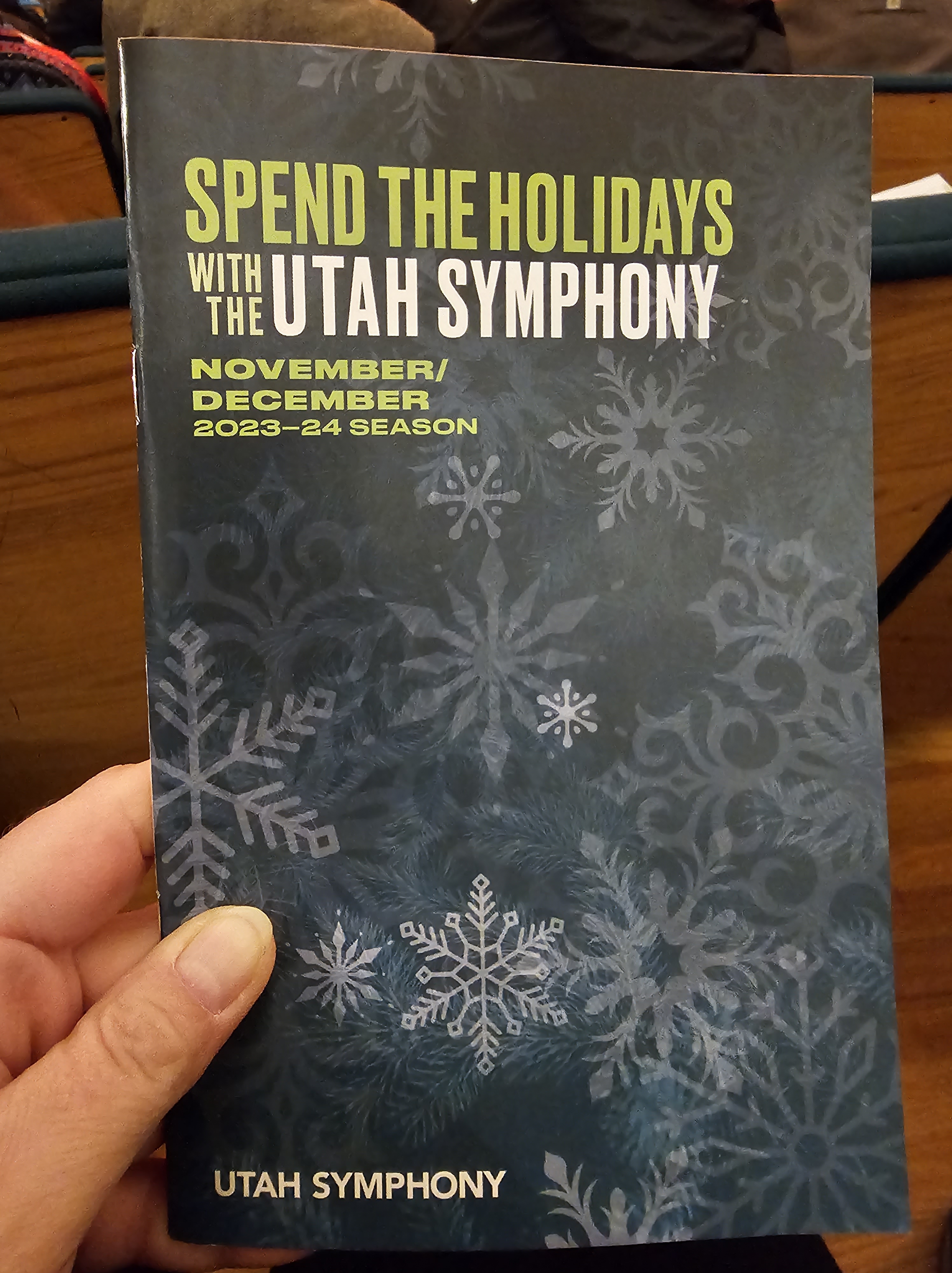
Would you enjoy an evening at the symphony? Click here for more information about Utah Symphony’s upcoming performances.

 The Good Life
Leave a comment